


Understanding the Risks of Delaying Furnace Replacement During Winter's Harsh Conditions
August 7, 2026
Ensure your home stays warm this winter by understanding the risks of delaying furnace replacement. Protect your comfort and safety with timely upgrades today!

Understanding the Risks of Delaying Furnace Replacement During Winter's Harsh Conditions
Delaying a needed furnace replacement means putting off installing a new heating system when an existing unit is failing or unreliable, and winter's harsh conditions amplify the consequences. This article explains how cold St. Louis winters increase safety hazards, push up operating costs, worsen comfort problems, and narrow sensible decision windows for homeowners weighing repair versus replacement. Readers will learn the primary safety risks—especially carbon monoxide from a cracked heat exchanger—how aging systems drive energy waste through falling AFUE, and the practical warning signs that indicate replacement is preferable to repeated repairs. The guide also compares emergency repair scenarios to planned replacement, outlines immediate homeowner actions for hazardous situations, and explains the benefits of timely replacement and maintenance for safety, comfort, and long-term savings. Finally, it maps local considerations for greater St. Louis households and describes how certified service providers can help with inspections, emergency response, and estimates. Understanding these dimensions helps homeowners choose the safest, most cost-effective path before winter conditions make choices urgent.
What Are the Safety Risks of Postponing Furnace Replacement in Winter?
Postponing furnace replacement during winter raises immediate safety risks because older heating systems are more likely to develop critical component failures under prolonged load. Mechanical wear, corrosion, and thermal stress increase the chance of combustion problems, cracked heat exchangers, electrical shorts, and blocked vents, and each of these failure modes can create dangerous outcomes for occupants. Recognizing these risks early reduces the likelihood of carbon monoxide exposure, fire, or sudden system failure during extreme cold. The next subsections break down the leading dangers—carbon monoxide threats and fire/gas leak risks—and offer clear homeowner steps to detect and respond safely.
The three top safety risks from delaying replacement are:
- Carbon monoxide poisoning: A cracked heat exchanger or incomplete combustion can allow CO to enter living spaces.
- Fire and electrical hazards: Worn wiring, failing motors, or clogged vents increase ignition and overheating risk.
- Gas leaks and combustion instability: Corroded valves, burners, or flue obstructions can cause gas escapes or back-drafting.
Homeowners should take immediate safety actions if they suspect furnace failure:
- Install or test carbon monoxide detectors on each level and near sleeping areas.
- Evacuate and ventilate if detectors alarm or if you smell gas, then contact emergency services and a qualified technician.
- Shut off the furnace at the breaker or gas valve only if it is safe to do so and you are certain of the shutoff location.
These detection and response steps lead directly into understanding how carbon monoxide forms and why early inspection matters for household safety.
How Does Carbon Monoxide from a Failing Furnace Threaten Your Home?
Carbon monoxide forms when combustion is incomplete or when combustion gases bypass normal venting—commonly caused by a cracked heat exchanger or blocked flue under high seasonal load. CO is colorless and odorless, and exposure symptoms include headache, dizziness, nausea, confusion, and loss of consciousness; these signs often mimic flu and can escalate quickly without detection. Properly placed carbon monoxide detectors and awareness of symptoms are primary defenses, and immediate evacuation followed by emergency inspection is required when alarms sound or symptoms appear. Because winter increases runtime and thermal cycling, older furnaces are more likely to experience the metal fatigue that leads to exchanger cracks, so prompt inspection is essential to confirm whether a failing unit is producing hazardous combustion gases.
Residential Carbon Monoxide Poisoning Risks from Faulty Furnaces
Unintentional, non-fire-related carbon monoxide (CO) poisoning is a leading cause of poisoning death and injury in the USA. Residential poisonings caused by faulty furnaces are the most common type of CO exposure. However, these poisonings are largely preventable with annual furnace inspections and CO alarm installation.
This clarity about CO risk highlights other fire and gas leak hazards that become more likely the longer a furnace remains in service.
What Fire Hazards and Gas Leak Dangers Increase with an Old Furnace?
Aging furnaces present several fire and gas-leak risks driven by component deterioration—common culprits include frayed wiring, corroded burners, failing gas valves, and blocked vents causing overheating or flame instability. Visual cues such as soot accumulation, rust, a yellow rather than blue flame, or scorch marks near the unit are warning signs that should prompt immediate professional evaluation. Winter stress increases these hazards because extended runtime raises temperatures and accelerates wear, making intermittent arcing or overheating more likely during peak demand. If you notice persistent burning smells, erratic ignition, or visible damage, evacuate if necessary, turn off the gas supply where safe, and arrange an urgent furnace repair to mitigate fire and leak risk.
Understanding these immediate safety problems sets up the financial consequences of delaying replacement, which the next section explores.
How Does Delaying Furnace Replacement Impact Your Finances During Winter?
Delaying replacement affects household finances through higher monthly operating costs, increased likelihood of costly emergency repairs, and potential loss of predictable budgeting that comes with planned investments. Efficiency loss over time—expressed through AFUE decline—means an older furnace uses more fuel or electricity to deliver the same heat output, and St. Louis winters with extended run-times magnify cumulative fuel use. Emergency repairs typically carry premium labor and parts costs, plus downtime and potential lodging or supplemental heating expenses if the system fails during extreme cold. The table below compares furnace replacement scenarios with planned replacement to illustrate predictable differences in cost range, risk, and long-term impact.
This comparison demonstrates how predictable planning reduces sudden financial strain compared with emergency-only responses and why homeowners should weigh total cost of ownership rather than single-service ticket prices.
Why Do Old Furnaces Cause Skyrocketing Energy Bills in St. Louis Winters?
Old furnaces often lose thermal efficiency as burners foul, heat exchangers scale, and blower motors wear, which reduces AFUE and increases annual fuel consumption for the same heat output. In colder climates like the St. Louis area, longer run times compound the effect: a few percentage points of AFUE decline translate into noticeable monthly increases because the system operates for extended hours. Modern high-AFUE units deliver proportional reductions in fuel use by burning cleaner and transferring heat more effectively, which lowers operational fuel or electricity needs over the season. When deciding between repair and replacement, consider projected seasonal runtime—the longer the furnace runs, the more rapidly inefficiency converts into higher bills and the clearer the economics favor replacement.
How Do Emergency Repairs Compare to Planned Furnace Replacement Costs?
Emergency repairs address immediate failures but often carry higher labor premiums, expedited parts charges, and the risk of incomplete fixes that lead to repeat calls; these factors raise the total cost of ownership over time. Planned furnace replacement allows homeowners to shop models, finance or budget repairs, and schedule installation during off-peak windows, typically lowering labor rates and avoiding emergency surcharges. Emergency scenarios can also force replacement under duress—when choices are limited and costs may be higher—while planned strategies permit comparing AFUE, warranties, and installation practices for better long-term value. Ultimately, a deliberate replacement decision reduces repeated service calls, stabilizes monthly energy spending, and minimizes the safety and convenience penalties that accompany mid-winter system failures.
A concise, practical comparison table reinforces these monetary trade-offs and helps homeowners decide when to budget for replacement.
What Performance and Comfort Issues Arise from Postponing Furnace Replacement?
Postponing replacement often results in uneven heating, cold spots, longer recovery times after setbacks, and declining indoor air quality as filters and ducts accumulate debris from older systems. Reduced output from worn burners or a weakened blower motor can fail to meet load on the coldest days, and distribution problems such as clogged ducts or failing zone controls make some rooms consistently colder. These performance issues not only reduce comfort but create stress on the system that accelerates component wear and increases the likelihood of mid-season breakdowns. The following subsections explain why aging furnaces produce inconsistent heating and why frequent breakdowns become the norm, plus homeowner checks to identify whether replacement is the most practical long-term fix.
- Replace or inspect air filters: Clogged filters restrict airflow and reduce heat transfer.
- Check thermostat settings and placement: Incorrect calibration or location can cause uneven cycles.
- Inspect visible ductwork: Damaged or disconnected ducts create cold spots and waste energy.
These diagnostic steps help determine whether the problem is repairable or symptomatic of a system near end of life, which leads into the details on how aging components cause uneven heating.
How Does an Aging Furnace Cause Inconsistent Heating and Cold Spots?
Inconsistent heating stems from a mix of reduced furnace output and distribution system deterioration—worn blower motors produce less airflow, burners with incomplete combustion deliver weaker heat, and ducts with leaks or blockages fail to move conditioned air effectively. When outdoor temperatures force the system to run longer, these deficits become more visible as rooms farther from the unit or with poor insulation develop cold spots. Homeowners can perform basic checks—monitor supply and return temperatures, inspect filter condition, and feel airflow at registers—to decide if adjustments or a professional inspection are warranted. If corrective measures repeatedly fail or repairs escalate in frequency, replacement often provides the most reliable route to consistent, whole-home comfort.
This explanation of airflow and output shortfalls connects directly to why old furnaces break down more often under winter stress.
What Are the Key Warning Signs Indicating You Need Furnace Replacement This Winter?
A clear checklist of warning signs helps homeowners prioritize safety and finances: age beyond typical lifespan, frequent repairs, unsafe symptoms (odors, CO detector activations), and persistent inefficiency despite service. Evaluating these signals alongside repair cost estimates and safety considerations helps determine whether replacement is the prudent choice. The table below organizes common symptoms, what they typically indicate, and the recommended urgency for action to aid homeowner decisions this winter.
This structured view clarifies which signs require emergency response and which can be scheduled for evaluation, helping homeowners make timely choices that reduce winter risk.
What Are the Benefits of Timely Furnace Replacement and Maintenance in Winter?
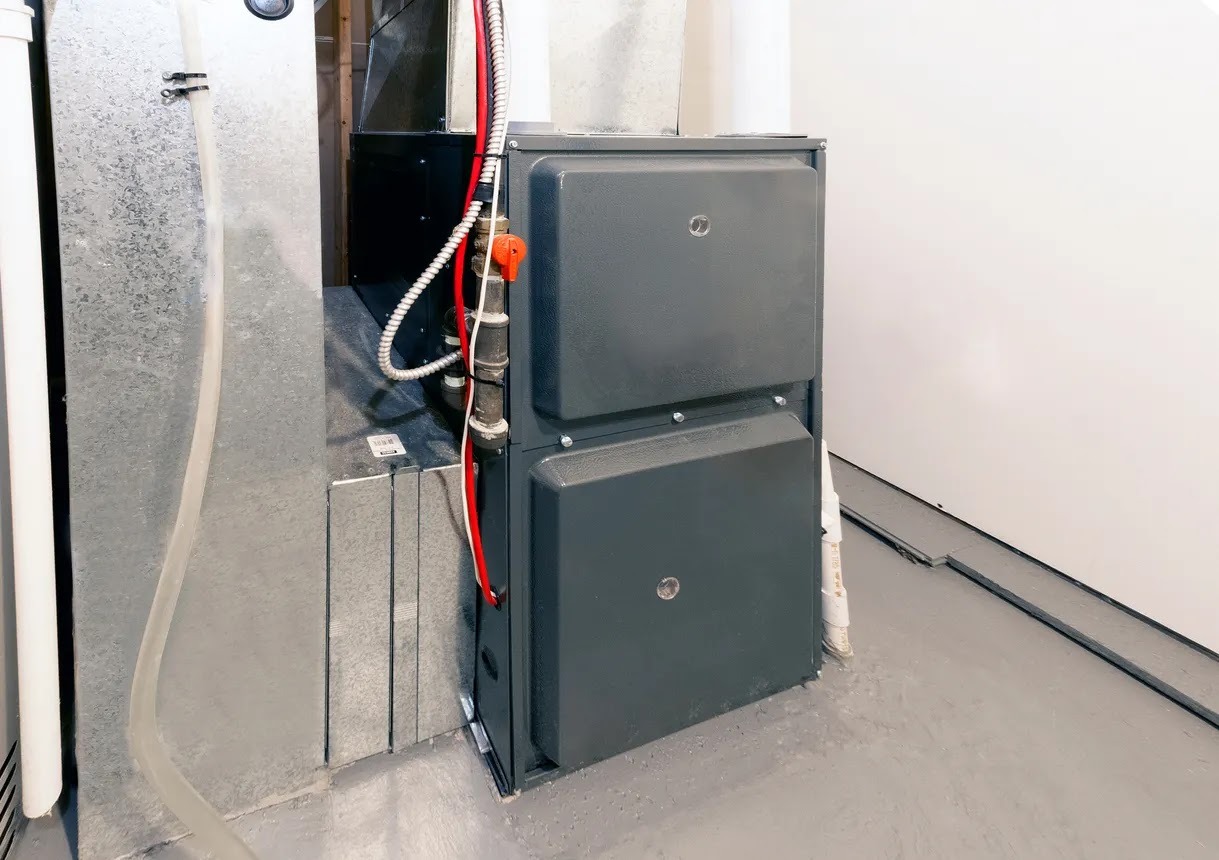
Timely replacement and maintenance reduce safety risk, improve comfort, and lower operational costs by restoring design AFUE and ensuring reliable component operation under winter load. A new high-efficiency furnace minimizes carbon monoxide risk through robust combustion controls and intact heat exchangers, and combined with routine maintenance it sustains performance and prolongs lifespan. Beyond safety, modern systems offer shorter recovery times, improved distribution, and better indoor air quality via compatible filtration and ventilation options. The table below compares an old furnace to a new high-AFUE unit across key attributes to illustrate expected differences in efficiency, repairs, and safety risk.
This comparison shows how replacement plus maintenance delivers safety, cost, and comfort improvements that become especially valuable during extended cold periods.
How Does Early Replacement Enhance Safety and Provide Peace of Mind?
Early replacement removes the most hazardous failure modes—such as cracked heat exchangers and failing combustion controls—before they materialize, replacing fatigued components with certified systems designed to modern safety standards. The result is reduced CO risk, fewer emergency outages, and predictable performance that alleviates the stress of winter HVAC uncertainty. Maintenance plans that accompany new installations further preserve these benefits by catching minor issues before they escalate and by keeping AFUE near design values. Homeowners who prioritize replacement and ongoing service gain not only lower risk but also the household stability that comes from reliable heating through the coldest months.
What Energy Savings and Comfort Improvements Come with a New Furnace?
A modern high-AFUE furnace converts a higher proportion of fuel into usable heat, which decreases the fuel or electrical input needed to maintain comfortable temperatures and shortens cycle times for faster warm-up. Improved airflow and distribution, variable-speed blowers, and more accurate controls reduce temperature swings and cold spots, while integrated filtration and humidification options can improve perceived comfort and indoor air quality. Over multiple seasons, the combination of efficiency gains and reduced repair costs typically reduces total cost of ownership compared with an older, inefficient unit—especially in climates with extended winter operation. These operational and comfort advantages are why planned replacement is a strategic investment for households that value safety, predictability, and lower long-term expenses.
Why Choose Patriot Heating, Cooling and Air Quality for Furnace Replacement in St. Louis?
Patriot Heating, Cooling and Air Quality serves homeowners and business owners across the greater St. Louis metropolitan area and positions itself around fast emergency response, honest assessments, and certified professionals who focus on safety and customer satisfaction. The company's primary services include furnace replacement, furnace repair, furnace installation, and comprehensive HVAC offerings such as boilers, mini splits, heat pumps, indoor air quality, and air duct cleaning—services that directly address the safety, efficiency, and comfort issues discussed above. Patriot emphasizes 24/7 emergency service, reliable solutions, and friendly support, which can be critical when winter failures present immediate safety or comfort problems. Homeowners seeking inspections, estimates, or urgent inspections should contact Patriot Heating, Cooling and Air Quality to arrange certified technician evaluation and next steps.

.webp)


