


Understanding Different Home Heating Systems
August 7, 2026
I trust these home heating systems for their impressive efficiency and reliability. See how they keep my home warm and energy costs low throughout the year.

Understanding Different Home Heating Systems: Comprehensive Guide to Energy Efficient Options and Comparisons

Home heating systems are essential for maintaining comfort in residential spaces, especially during colder months. With various options available, understanding the differences between these systems can help homeowners make informed decisions. This comprehensive guide explores the main types of home heating systems, their energy efficiency, and how to choose the best option for your needs. Many homeowners face challenges in selecting the right heating system that balances efficiency, cost, and comfort. By understanding the mechanisms and benefits of each type, you can find a solution that meets your specific requirements. This article will cover the main types of heating systems, comparisons between heat pumps and furnaces, the pros and cons of boiler systems, and maintenance tips to ensure optimal performance.
What Are the Main Types of Home Heating Systems?
Home heating systems can be categorized into several types, each with unique operational mechanisms and efficiency ratings. The primary types include furnaces, boilers, and heat pumps. Understanding these systems is crucial for selecting the right one for your home. Each type operates differently, affecting energy consumption and heating effectiveness.
When evaluating systems, consider how heat is generated and distributed, the fuel source, and whether the system provides only heating or both heating and cooling. Distribution method (air, water, radiant) and control strategy (single-zone vs. zoned controls) also influence comfort and running costs.
How Do Furnaces, Boilers, and Heat Pumps Differ?
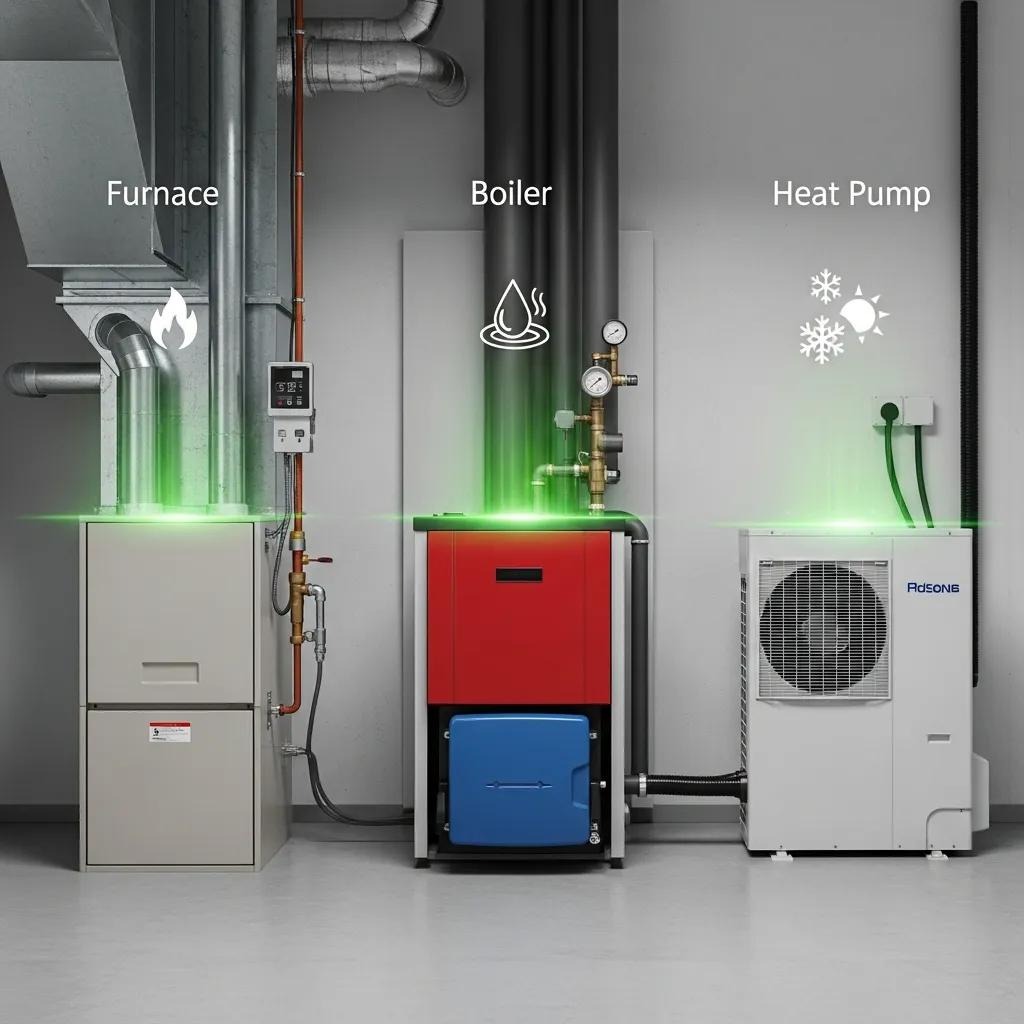
Furnaces, boilers, and heat pumps represent the three main categories of home heating systems. Furnaces heat air and distribute it through ducts, while boilers heat water and provide steam or hot water for heating. Heat pumps, on the other hand, transfer heat from outside to inside, making them highly efficient in moderate climates. The efficiency ratings of these systems vary, with heat pumps often providing the highest energy efficiency, especially in milder temperatures. Choosing the right system depends on factors such as climate, home size, and energy costs.
Furnaces are typically paired with ductwork and deliver warm air quickly, which many homeowners appreciate for rapid temperature response. Boilers provide steady, even heat via radiators or underfloor tubing and can improve perceived comfort because the radiant heat warms surfaces rather than air alone. Heat pumps move heat rather than create it, and many modern models also operate in reverse to provide cooling, making them a year-round solution in suitable climates.
What Are Central, Hydronic, and Ductless Heating Options?
Central heating systems, hydronic heating, and ductless options each offer distinct advantages. Central heating systems distribute warm air through ducts, providing even heating throughout the home. Hydronic heating uses water heated by a boiler to warm the home through radiators or underfloor systems, offering a comfortable and efficient solution. Ductless heating systems, or mini-splits, provide targeted heating without the need for ductwork, making them ideal for homes without existing ducts. Each option has its own energy efficiency considerations and installation requirements, which should be evaluated based on individual home needs.
Choosing between these depends on your home's construction and priorities: hydronic systems are often quieter and provide even surface warmth, ducted systems can serve whole-home forced-air ventilation and filtration needs, and ductless systems allow easy zoning and lower installation disruption for retrofits.
- Central ducted systems: These systems are good for whole-house heating and integrated air conditioning where ducts exist or can be installed. They provide consistent airflow and can be combined with filtration systems to improve indoor air quality throughout the home.
- Hydronic systems: Hydronic heating is excellent for comfort and compatibility with multiple heat sources such as boilers, solar thermal, or heat pumps driving hydronic loops. These systems provide radiant warmth that heats surfaces, creating a cozy environment with efficient energy use.
- Ductless mini-splits: These systems are efficient and flexible for additions, basements, or homes without ducts. They offer simple zoning capabilities and minimal invasive installation, making them a popular choice for retrofits and targeted heating needs.
How to Compare Heat Pumps and Furnaces for Your Home?
When deciding between heat pumps and furnaces, several factors come into play, including energy efficiency, cost, and heating capacity. Heat pumps are known for their energy efficiency, often resulting in lower utility bills compared to traditional furnaces. However, furnaces may be more effective in extremely cold climates where heat pumps struggle to maintain efficiency.
To compare systems objectively, consider the following evaluation categories: seasonal efficiency across typical local temperatures, expected operating costs given your utility mix, installation complexity, estimated service life, and available incentives or rebates from utilities if any apply. It is also useful to look at total cost of ownership, which includes purchase price, installation, maintenance, and ongoing fuel or electricity expenses.
A detailed analysis further illustrates the differences in energy consumption between gas furnaces and electric heat pumps for residential use.
What Are the Energy Efficiency Benefits of Heat Pumps?
Heat pumps offer significant energy efficiency benefits, primarily due to their ability to transfer heat rather than generate it. This process can lead to energy savings of up to 30-40% compared to traditional heating methods, depending on climate and system type. Additionally, heat pumps can provide both heating and cooling, making them a versatile choice for year-round comfort. Their lower environmental impact also contributes to their appeal, as they reduce reliance on fossil fuels.
The performance of heat pumps varies by technology: air-source units are common and effective across a range of climates, while ground-source (geothermal) systems can provide higher and more stable efficiencies because the ground temperature is more constant year-round. Advances such as variable-speed compressors and improved refrigerants have expanded the effective operating range of air-source heat pumps into colder climates than earlier models could handle.
Practical considerations when choosing a heat pump include matching the unit size to your home's heating load, planning for electrical supply and clear outdoor airflow for the outdoor unit, and evaluating how the heat pump integrates with any existing backup or supplemental heating system.
Patriot Heating Cooling and Air Quality specializes in comprehensive HVAC services with a strong focus on home heating systems in the St Louis metropolitan area. Their expertise can help homeowners select the most efficient heating solutions tailored to their specific needs.
When you consult an experienced local contractor, expect a load calculation (often Manual J or equivalent) to size equipment correctly and a review of distribution systems, insulation levels, and existing ventilation. These details determine whether a heat pump or furnace is the better long-term fit for your property.
What Are the Advantages and Disadvantages of Furnaces?
Furnaces have several advantages, including their ability to heat homes quickly and effectively, especially in colder climates. They typically have lower upfront costs compared to heat pumps and can be more reliable in extreme temperatures. However, furnaces can be less energy-efficient, leading to higher operating costs over time. Maintenance requirements can also be more demanding, as regular servicing is essential to ensure optimal performance and longevity.
Common advantages of furnaces:
- Rapid warm-up time for indoor spaces. This quick response is beneficial for those who want immediate comfort after returning home on cold days. Additionally, furnaces are widely available and compatible with many fuel types, making them versatile.
- Proven performance in very cold climates. Furnaces maintain reliable heat output even during extreme weather, which is critical for regions with harsh winters. Their robust design ensures consistent operation under challenging conditions.
- Wide range of fuel options where available (natural gas, propane, oil, electric resistance). This flexibility allows homeowners to choose the most cost-effective or accessible fuel source for their location. It also provides options in case of fuel supply disruptions.
Common disadvantages of furnaces:
- Potentially higher operating costs if fuel prices are volatile or if the unit is older and less efficient. Older furnaces may consume more fuel, increasing monthly expenses. Fluctuating fuel prices can also impact the affordability of running a furnace.
- Dependence on ductwork for distribution, which can introduce losses if ducts are poorly sealed or insulated. Leaky or uninsulated ducts reduce system efficiency and can lead to uneven heating. Proper duct maintenance is necessary to minimize these issues.
- Furnaces typically provide convective heat only, which some occupants find less comfortable than radiant options such as hydronic systems. Convective heat warms the air but may not provide the same cozy feeling as radiant heat that warms surfaces. This can affect perceived comfort levels.
To maximize furnace efficiency, choose a properly sized model, maintain clean filters and burners, and ensure ducts are sealed and insulated where they pass through unconditioned spaces. Regular maintenance and system checks help sustain performance and reduce energy waste.
What Are the Pros and Cons of Boiler Heating Systems?
Boiler heating systems provide a unique approach to home heating, utilizing water or steam to distribute heat. This method can be highly efficient and offers consistent warmth throughout the home.
Pros of boiler systems include quiet operation, efficient heat delivery, and comfort from radiant heating surfaces. Boilers can also be very durable when maintained correctly. On the downside, boilers may have higher upfront installation complexity—especially for radiant floor systems—and require careful water treatment and occasional piping maintenance to prevent corrosion or scale.
How Does Boiler Maintenance Affect Performance and Costs?
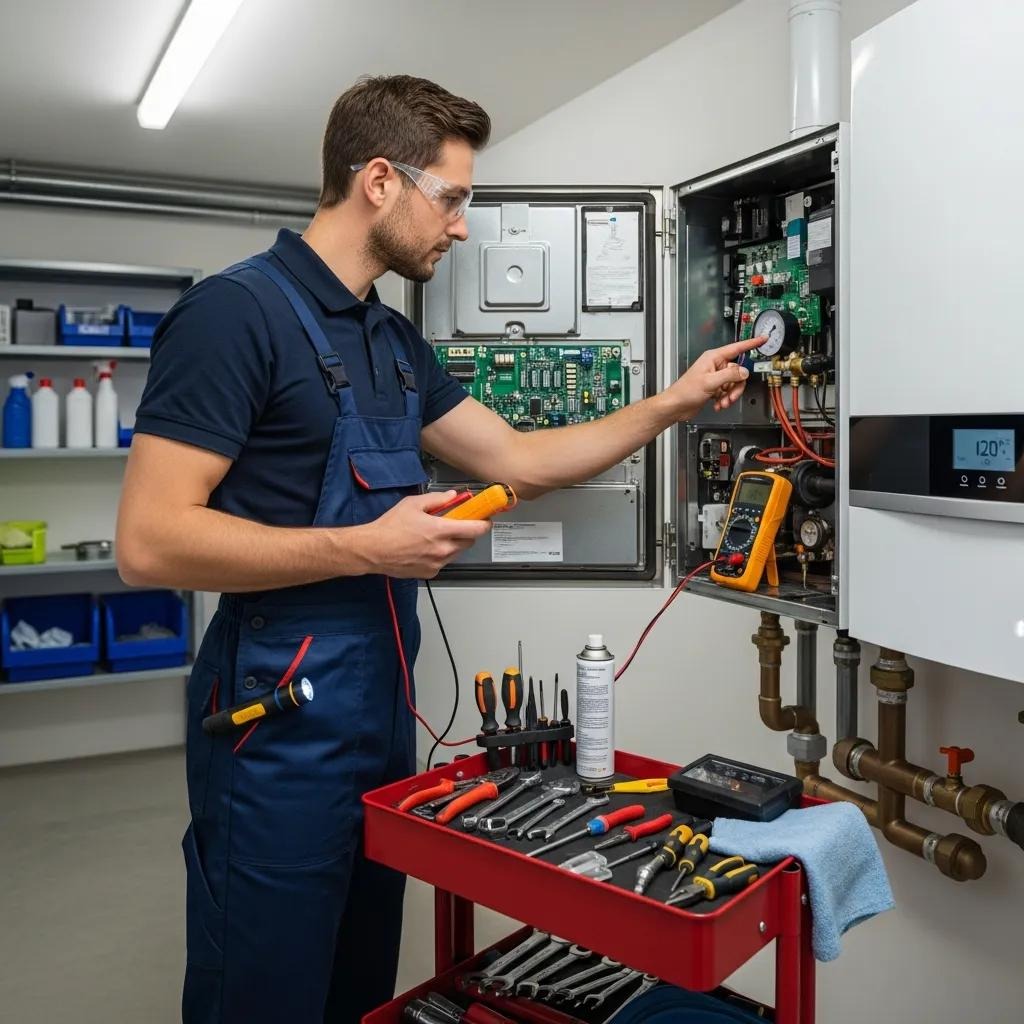
Regular maintenance of boiler systems is crucial for ensuring optimal performance and minimizing costs. Neglecting maintenance can lead to decreased efficiency, higher energy bills, and potential breakdowns. Homeowners should schedule annual inspections and address any issues promptly to maintain their boiler's performance.
A reasonable boiler maintenance checklist includes:
- Annual inspection by a qualified technician to check combustion, controls, and safety devices. This helps identify potential problems early and ensures the system operates safely and efficiently.
- Flushing or treating the system water if recommended by the manufacturer to prevent sediment and corrosion. Proper water treatment extends the life of the boiler and maintains heat transfer efficiency.
- Checking pressure and expansion tank function and bleeding radiators if cold spots appear. These steps help maintain consistent heat distribution and prevent system damage.
- Verifying that thermostatic radiator valves and zone controls operate correctly. Proper control ensures comfort and energy savings by heating only occupied areas as needed.
Addressing small problems early—such as a failing pump, leaking fitting, or noisy expansion—can prevent more costly repairs and maintain fuel-to-heat conversion efficiency. Proactive maintenance protects your investment and keeps your home comfortable.
What Are the Energy Efficiency Ratings for Boilers?
Boiler efficiency is typically measured by the Annual Fuel Utilization Efficiency (AFUE) rating, which indicates the percentage of fuel converted to heat. High-efficiency boilers can achieve AFUE ratings of 90% or higher, significantly reducing energy costs. Homeowners should consider these ratings when selecting a boiler to ensure they choose an energy-efficient option.
When comparing models, also consider modulation capability and system controls. A modulating boiler adjusts output to match demand and often operates more efficiently than one that cycles on and off frequently. Combined with smart or programmable controls, a modern boiler can maintain comfort with lower fuel consumption.
Which Energy Efficient Heating Solutions Are Best for St Louis Homes?
Selecting the best heating solution for St Louis homes involves considering local climate conditions and energy costs. The region experiences cold winters, making efficient heating systems essential for comfort and cost savings.
For St Louis homes, consider both peak-cold performance and seasonal efficiency. Systems that handle occasional cold snaps reliably while delivering good seasonal efficiency will tend to provide the best balance of comfort and operating cost. Local fuel availability and contractor expertise are also practical deciding factors—choose systems your local contractors install and support regularly.
How Do Local Climate and Energy Costs Influence Heating Choices?
Local climate plays a significant role in determining the most suitable heating system. In St Louis, where winters can be harsh, systems that provide reliable and efficient heating are crucial. Additionally, fluctuating energy costs can impact the long-term affordability of different heating options, making it essential to evaluate both initial and ongoing expenses.
When assessing options, homeowners should:
- Review typical winter temperature ranges to assess whether a heat pump will meet full heating needs or if a hybrid/backup system is appropriate. Understanding local weather patterns helps ensure your system performs well year-round.
- Compare local fuel and electricity costs and how those affect seasonal operating expenses. This comparison helps identify the most cost-effective heating solution for your household.
- Factor in insulation levels, windows, and air sealing; a more efficient building envelope can reduce system size and cost significantly. Improving your home's envelope often yields better comfort and lower energy bills.
What Are the Latest 2026 Energy Saving Technologies?
Emerging technologies in heating systems are continually evolving, with innovations aimed at improving energy efficiency and reducing environmental impact. In 2026, advancements such as smart thermostats, variable-speed heat pumps, and improved insulation materials are expected to enhance heating efficiency. Homeowners should stay informed about these technologies to make the best choices for their heating needs.
Technologies to watch and consider integrating include:
- Smart thermostats and controls: These devices provide scheduling, adaptive learning, and remote monitoring to reduce wasted runtime and improve zoned comfort management. They help optimize system operation based on your lifestyle and preferences.
- Variable-speed compressors and fans: Equipment with these features can run at lower, more efficient speeds for longer periods, reducing cycles and improving comfort. This technology enhances energy savings and extends equipment life.
- Zoned systems and motorized dampers: These components balance comfort room-by-room and avoid heating unused spaces. Zoned heating reduces energy waste and allows personalized temperature control.
- Improved insulation and air-sealing materials: Upgrades that reduce heat loss often yield the fastest, guaranteed returns on investment compared to equipment swaps alone. Enhancing your home's envelope complements mechanical system efficiency.
Integrating new technology thoughtfully—matching controls to the mechanical system and the household's occupancy patterns—yields the best results in both comfort and energy savings.
How to Maintain Your Home Heating System for Optimal Performance?
Proper maintenance is vital for ensuring the longevity and efficiency of home heating systems. Regular checks and servicing can prevent costly repairs and improve overall performance.
A maintenance plan tailored to your system type is the most reliable way to protect investment and comfort. For example, routine tasks for forced-air systems differ from hydronic systems, but both benefit from annual professional tune-ups and periodic homeowner checks.
What Are Common Heating System Issues and How to Prevent Them?
Common issues with heating systems include inadequate heating, strange noises, and increased energy bills. Homeowners can prevent these problems by scheduling regular maintenance, changing filters, and ensuring proper insulation throughout the home. Identifying and addressing issues early can save time and money in the long run.
Typical problems and preventive actions:
- Poor airflow: Replace or clean filters regularly to maintain proper airflow. Check supply and return vents to ensure they are unobstructed and verify that ductwork is sealed to prevent leaks and energy loss.
- Inefficient combustion or pilot issues (gas-fired equipment): Arrange professional combustion testing and cleaning of burners to maintain safe and efficient operation. Proper combustion reduces fuel waste and emissions.
- Uneven heat: Balance heating zones, bleed radiators to remove trapped air, and check thermostat placement and calibration. These steps help maintain consistent comfort throughout your home.
- Strange noises: Inspect fans, motors, and pumps for loose components or failing bearings. Addressing these issues early can prevent system failure and costly repairs.
When Should You Schedule Furnace or Boiler Maintenance?
Scheduling maintenance for furnaces and boilers should ideally occur before the heating season begins. Annual inspections can help identify potential issues and ensure systems operate efficiently. Homeowners should also consider scheduling additional maintenance if they notice any unusual performance changes.
Best timing and triggers:
- Schedule a professional inspection in early fall to confirm readiness for winter. This proactive approach helps avoid unexpected breakdowns during cold weather.
- Change or inspect filters every 1–3 months depending on usage and type. Clean filters improve airflow and system efficiency.
- Schedule an extra check if you detect increased bills, unusual smells, frequent cycling, or reduced heat output. Early intervention can prevent more serious problems.
How to Choose the Best Furnace Types for Your Home?
Selecting the right furnace type involves evaluating various features and considerations to ensure optimal performance and efficiency.
Considerations when choosing a furnace type:
- Fuel availability and cost: Select a fuel type based on what is reliably available and cost-effective in your area. This ensures consistent operation and manageable expenses over time.
- Housing and ductwork: If ducts are poor or nonexistent, ductless options or hydronic solutions may be better than replacing or installing new ducts. This can reduce installation complexity and improve system efficiency.
- Long-term plans: If you plan major envelope upgrades, you may be able to downsize equipment and save on both equipment and operating costs. Planning ahead helps optimize your investment.
What Are the Features of High-Efficiency Furnaces?
High-efficiency furnaces are designed to maximize energy use, often featuring advanced technology such as variable-speed blowers and modulating gas valves. These features allow for better temperature control and reduced energy consumption, leading to lower utility bills. Homeowners should look for furnaces with an AFUE rating of 90% or higher for optimal efficiency.
Other desirable features:
- Two-stage or modulating burners: These burners reduce short-cycling and maintain steadier temperatures, improving comfort and efficiency. They adjust heat output based on demand, which saves energy during milder conditions.
- Variable-speed blowers: These blowers improve comfort by reducing noise and providing more consistent airflow. They also increase part-load efficiency, which lowers energy use during less demanding periods.
- Advanced controls and diagnostics: These systems make troubleshooting easier and can alert homeowners before small issues grow into major failures. Early detection helps maintain system reliability and reduces repair costs.
How Do Installation and Replacement Impact Heating Efficiency?
The installation and replacement of heating systems significantly impact their efficiency. Proper installation ensures that systems operate at peak performance, while poor installation can lead to energy loss and increased costs. Homeowners should always hire qualified professionals for installation to guarantee optimal results.
Key installation factors:
- Correct sizing: Oversized equipment can short-cycle and underperform, while undersized equipment will struggle on the coldest days. Accurate sizing ensures efficient operation and comfort.
- Proper venting and combustion safety: These are essential for gas- and oil-fired systems to prevent hazards and maintain efficiency. Proper venting also protects indoor air quality.
- Good ductwork design and sealing: Properly designed and sealed ducts prevent distribution losses and improve indoor air quality when combined with filtration. This enhances overall system performance.
How Does Indoor Air Quality Affect Heating System Efficiency?
Indoor air quality plays a crucial role in the overall efficiency of heating systems. Poor air quality can lead to increased energy consumption and reduced comfort levels.
Dirty filters, clogged coils, or restricted airflow make systems work harder and reduce their effective capacity. Good indoor air quality practices, combined with system maintenance, help maintain designed airflow and efficiency.
What Indoor Air Quality Solutions Complement Heating Systems?
Solutions such as air purifiers, humidifiers, and proper ventilation can enhance indoor air quality, benefiting heating system efficiency. By maintaining clean and balanced air, homeowners can improve comfort and reduce energy costs associated with heating.
To ensure your heating system operates efficiently, consider exploring indoor air quality solutions that complement your heating system.
Practical IAQ measures:
- Routine filter changes and selecting appropriate filter MERV ratings for your system. Clean filters improve airflow and reduce strain on your heating equipment.
- Use of whole-house humidifiers or dehumidifiers to maintain comfortable humidity levels that reduce perceived cold and allow slightly lower thermostat settings. Proper humidity enhances comfort and system efficiency.
- Mechanical ventilation to provide fresh air without sacrificing energy performance when properly controlled. This helps maintain healthy indoor air while minimizing heat loss.
How Can Improved Air Quality Reduce Energy Bills?
Improving indoor air quality can lead to lower energy bills by enhancing heating system efficiency. Clean air filters and proper humidity levels allow systems to operate more effectively, reducing the workload on heating units and ultimately lowering energy consumption.
In addition to reducing system load, maintaining good airflow and IAQ can extend equipment life and lower repair frequency—both of which contribute to a better total cost of ownership.
What Are the Typical Costs and Benefits of Different Heating Systems?
Understanding the costs and benefits associated with various heating systems is essential for making informed decisions.
When comparing options, break costs into purchase and installation, ongoing energy costs, and expected maintenance and service needs. Benefits include improved comfort, reduced running costs, quieter operation, and potential increases in property value when systems are more efficient or provide modern features.
How Do Installation and Maintenance Costs Compare?
Installation costs for heating systems can vary significantly based on the type and complexity of the system. Furnaces typically have lower installation costs compared to heat pumps, while boilers may require more extensive installation work. Maintenance costs also differ, with some systems requiring more frequent servicing than others.
Consider asking contractors for itemized estimates that show equipment, labor, controls, ductwork or piping changes, and any required electrical upgrades. Comparing these line items helps reveal the true difference between competing proposals.
Regular furnace maintenance is crucial for ensuring optimal performance and longevity.
What Are the Long-Term Savings of Energy Efficient Systems?
Investing in energy-efficient heating systems can lead to substantial long-term savings. While the initial costs may be higher, the reduced energy consumption and lower utility bills can offset these expenses over time. Homeowners should consider the long-term financial benefits when selecting a heating system.
Long-term savings depend on how the system is used, local fuel and electricity prices, and how well the building envelope supports efficient operation. Pairing equipment upgrades with insulation and air-sealing improvements typically delivers the best economic outcome.
Considering a new furnace? Furnace installation can significantly improve your home's heating efficiency.
Ready to Upgrade Your Home Heating System?
Enhance your home's comfort and energy efficiency by choosing the right heating system tailored to your needs. Patriot Heating Cooling and Air Quality offers expert guidance and professional installation services in the St Louis area. Contact us today to schedule a consultation and take the first step toward a warmer, more efficient home. Get Started Now.

.webp)


