


AC Repair in Fenton

Signs Your AC System Needs Repair Right Now
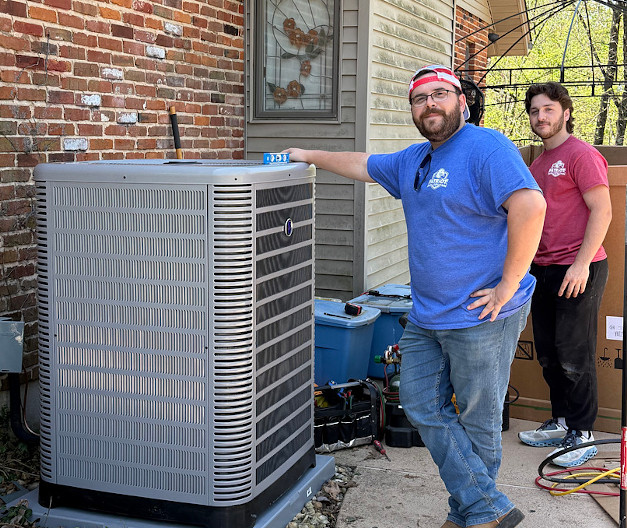
We get calls like this every single week.
- Warm air blowing from your vents when the thermostat is set to cool
- Strange grinding or rattling noises coming from the outdoor unit
- Water pooling around the indoor unit or near the drain line
- A musty smell when the system kicks on
- An unexplained increase in your power bill
Short Cycling
Short Cycling is something we run into a lot around Gravois Road. We had a homeowner who noticed their system turning on and off every few minutes. it's called short cycling and puts a lor of stress on your compressor. Fortunately, they called us right away and got a simple fix before it turned into a big repair.
Not sure if what you're hearing is normal? That's actually pretty common. Most folks can't tell the difference between a fan noise and a failing motor. That's our job. We've been doing A/C system repair in Fenton long enough to diagnose the problem in the first few minutes of a service call.
One more thing people overlook. Ice on the refrigerant lines. If you see frost building up on the copper pipes near your outdoor unit, something is wrong with airflow or refrigerant levels. It looks minor but it can damage the compressor if it keeps running that way.
Bottom line: if your system is doing anything different than it did last month, that's your signal. Trust what you're noticing.
.webp)
What an AC System Repair Visit Looks Like
We start outside at your condenser unit. That's the unit sitting next to your house. We check the fan motor and the compressor. We look at the refrigerant lines.
Then we move inside to your air handler or furnace, wherever the evaporator coil sits.
Every visit follows the same steps so nothing gets missed.
- Inspect the outdoor condenser for damage or debris
- Measure refrigerant levels and check for leaks
- Test the capacitor and contactor
- Inspect the evaporator coil and drain line
- Verify airflow through supply vents
- Run the full system and confirm proper cooling
Before we do any work beyond the diagnosis, we talk to you. We explain what's wrong in plain language. No technical jargon. No pressure. You decide how you want to move forward. And if it's something minor like a clogged drain line, we can usually handle it right then and there.
One thing people around the Gravois Bluffs area tell us they appreciate is that we show them what we find. A burned-out capacitor. A frozen coil. Ice on the lines. Seeing it makes the whole thing make sense. You shouldn't have to just take someone's word for it.
But here's what matters most. When we leave, your system runs the way it should. Cold air moving through every room. No strange sounds. No guessing.
The Most Common AC Failures in Older Fenton Homes
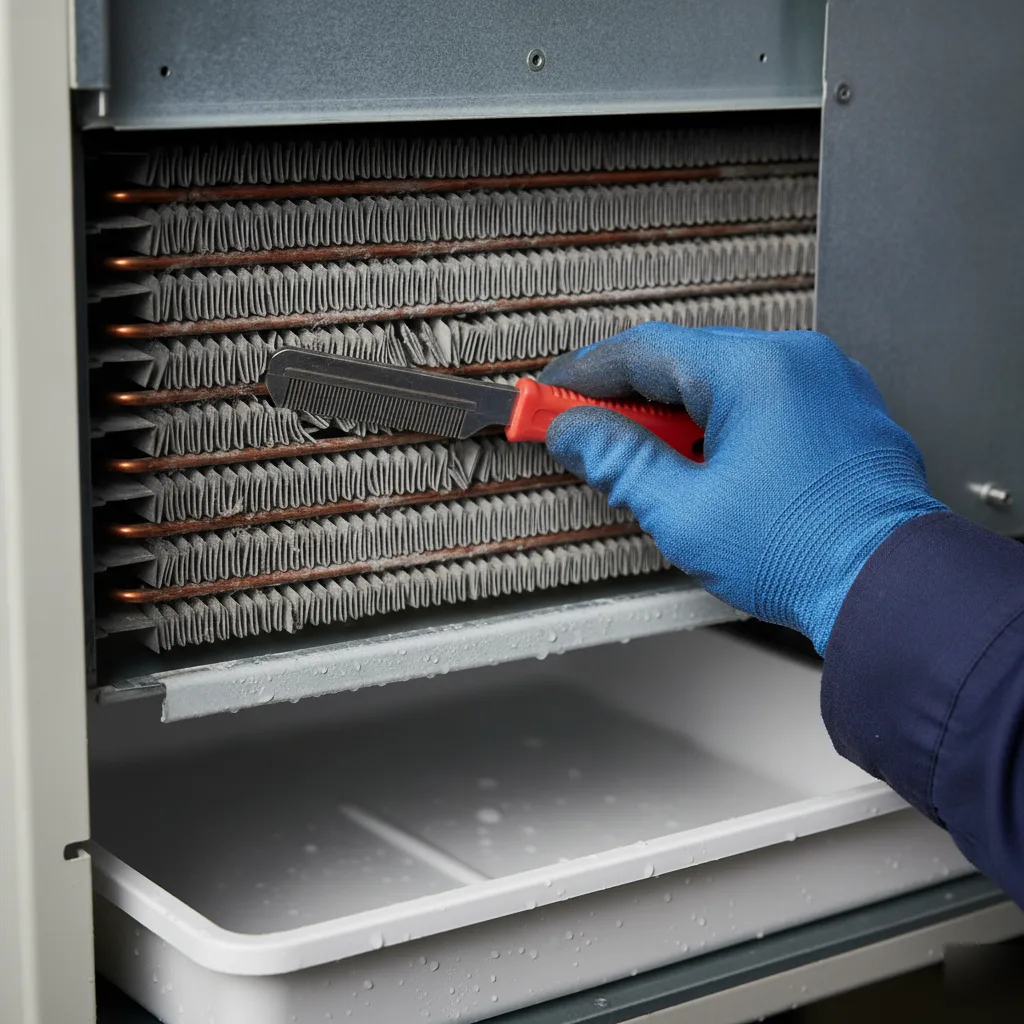
We get calls every week from homeowners near Gravois Bluffs and around Fenton City Park. Same story most of the time. The system runs but the house won't cool down. Or it cycles on and off every few minutes. it's one of these problems.
- Capacitors that have weakened over time, so the compressor can't start properly
- Evaporator coils caked with dust and grime from years of use
- Contactors with pitted or burned surfaces that cause intermittent power
- Refrigerant leaks at old solder joints or corroded line sets
- Blower motors drawing too many amps because the bearings are shot
That last one is a big clue.
When a system works harder than it should, it pulls more power. And that shows up on your billbefore you even realize something's wrong. We see this every single week with units that are 15 years or older. The system still runs, it just runs poorly,and you end up paying for comfort you're not getting.
Here's the thing about older Fenton homes. The ductwork is often original too. So even after we fix the unit, restricted or leaky ducts can make the problem seem like it's still there. We always check airflow at the registers to make surethe repair actually solved what you're feeling inside the house. Not just what the thermostat says. But a properdiagnosis sorts all of this out fast. You don't have to guess.
Repair or Replace: How to Make the Right Decision
We get this question a lot. Your AC quit working and now you're stuck wondering if it makes sense to fix it or start fresh.
Here's the honest answer. Most of the time, a repair is the right move. We see this every single week. A homeowner assumes they need a full replacement when really it's a bad capacitor or a worn contactor. Those are fixes that are worth the cost of a repair because buy you years of good cooling.
But sometimes repair isn't the smart choice. So how do you know?
We walk through a few things with every customer before we recommend anything.
- How old is the system? Units over 12 years old start needing repairs more often, the costs add up fast.
- How many times have you called for repairs in the last two years? If you've had three or more service calls, that pattern usually gets worse.
- Is the unit using R-22 refrigerant? That refrigerant is no longer produced. Recharging it costs a lot and only delays the real problem.
- Are your energy bills climbing even though nothing else changed? An aging system works harder and runs longer to cool the same space.

We can tell you within the first visit what makes the most sense. We're not going to push you toward a replacement if a repair gets you another five solid years. And we won't keep patching something that's going to leave you sweating in August.
The homeowners around Hawkins Road deal with the same summer heat as everyone else in town. A system that ran fine last year might struggle this year. That doesn't always mean it's done.
We'll lay out what we find and let you decide. No pressure. If you want a second opinion on something another company told you, we're happy to take a look. Give us a call and we'll help you figure out your next step.
How to Keep Your AC Running After Repairs Are Done
Getting your air conditioner fixed is only half the job. What you do after matters just as much.
We tell every customer in and around Fenton the same thing. A repair gets your cool air back today. But a little routine care keeps you from calling us again next summer. Most breakdowns we see could've been avoided with some basic upkeep between service visits.
Simple Steps That Make a Real Difference
You don't need to be handy to keep your system healthy. Here's what we recommend after all AC repairs.
- Check your air filter every 30 days. Hold it up to the light. If you can't see through it, swap it out. A dirty filter makes your system work harder than it should.
- Keep the area around your outdoor unit clear. Trim back bushes and move anything stored within two feet of the condenser.
- Listen for new sounds when your system cycles on. A rattle or hum that wasn't there before is worth a quick call.
- Schedule AC system maintenance once a year, ideally in spring before the hot months hit.
- Make sure your return registers inside the house stay open and unblocked by furniture or curtains.
These aren't big tasks. Five minutes a month goes a long way.
Near Hawkins Road, we had a customer whose system failed two summers in a row. Same problem each time, the filter was clogged solid. Once they started changing it monthly, that system ran without a single issue. We see this pattern all the time.
And here's something people forget. Your thermostat plays a role too. If yours is acting up or reading wrong temperatures, it forces your air conditioner to run longer cycles. That puts extra wear on the parts we just fixed. We handle thermostat repair if you notice anything off.
According to HVAC training institutes, a malfunctioning thermostat forces your system to short cycle by rapidly turning on and off and back on. This puts heavy mechanical strain on the system and directly leads to premature wear and tearon the very parts we just fixed.
So take care of the small stuff. Let us handle the rest when you need us.
Frequently Asked Questions
How do I know if my AC problem is serious enough to call for repair?
If your system keeps turning on and off (short cycling) , blowing warm air, or making grinding noises, it's time to call. Short cycling is one of the most common issues we see in Fenton. The unit runs for a few minutes, shuts off, then starts right back up. That pattern puts stress on your compressor. Catch it early and it's usually a straight forward fix. Wait a few weeks and you're looking at a much bigger problem.
What happens during an AC repair visit?
A technician will check your outdoor condenser first, then move inside to inspect the evaporator coil and drain line. Most visits take about an hour. If it's something simple like a bad capacitor, it can be handled the same day. Before any work starts beyond the diagnosis, we walk you through exactly what we found. You see the problem yourself and decide how you want to move forward. No surprises.
How much does an AC repair cost?
Repair costs can range from $100 to $2,500 and higher depending on the issue. Read our guide on what goes into the repair cost to help you understand what your issue might run.
Why do older homes in Fenton seem to have more AC problems?
Homes built in the'70s and '80s have equipment that's been through decades of St. Louis area summers. Capacitors weaken, coils collect grime, and old solder joints develop refrigerant leaks over time. The ductwork is often original too, which makes cooling problems harder to pin down. We see this pattern almost every week near in neighborhoods near Gravois Road. A system that still runs but can't keep up is usually one worn part away from quitting.
Is ice on my air conidtioner a sign I need a repair?
Yes. Frost or ice building up on the copper refrigerant lines near your outdoor unit means something is wrong. It's usually an airflow problem or low refrigerant. It looks minor but keeping the system running that way can damage your compressor. If you spot ice on those lines, shut the system off and call for service. Catching it fast protects the most expensive part of your unit.
How quickly can someone come out for AC repair in Fenton?
We schedule service calls in Fenton regularly and try to get out the same day or next day when possible. Summer is the busiest season, so calling early in the day helps. If your system has stopped cooling completely, let us know when you call. We prioritize calls where a home has no cooling at all, especially during a Missouri heat stretch. If it's after office hours, we will still come out for an emergency repair.
Customer Testimonials


